White Earth Nation Delays Moorhead Casino Development Following Tribal Leadership Changes
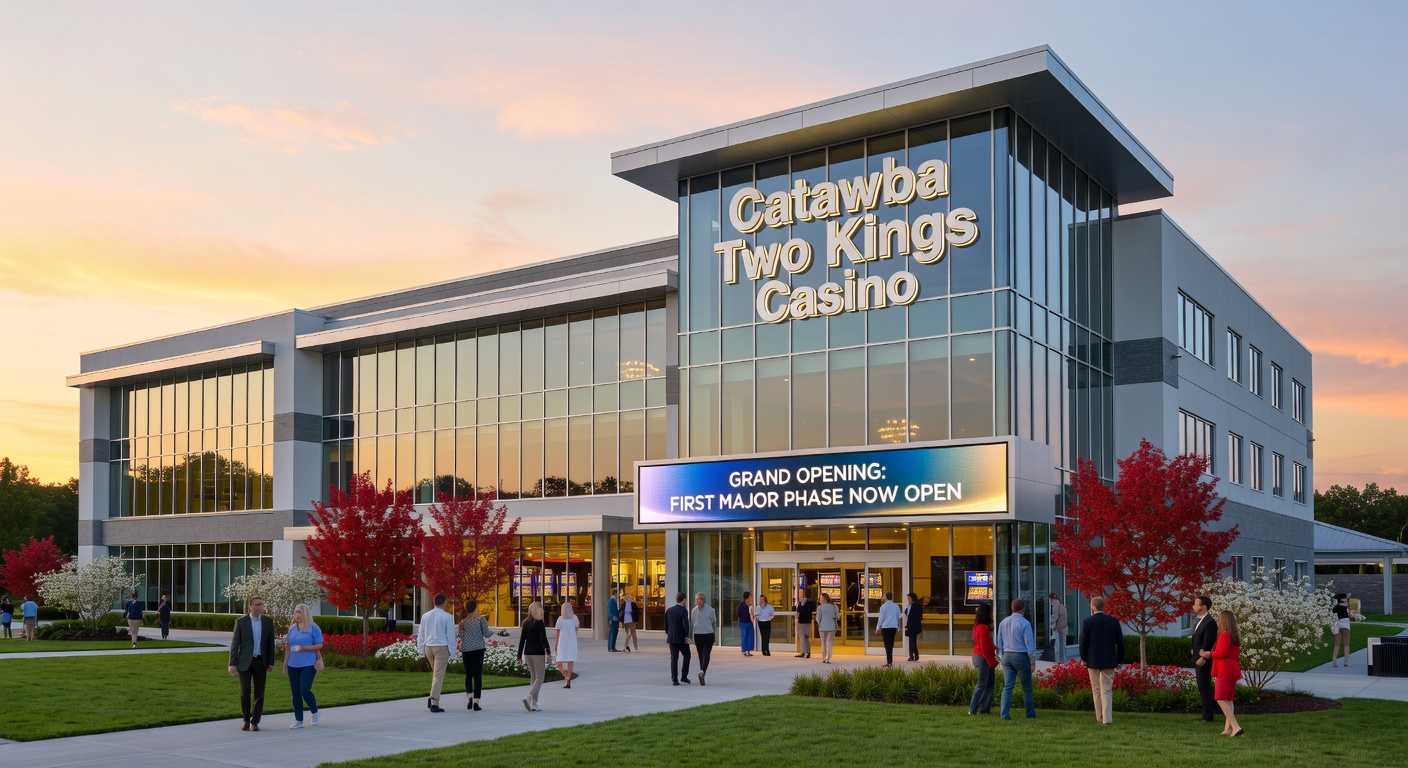
 The White Earth Nation has placed its proposed casino and hotel project in Moorhead on hold after the June 2026 election brought new tribal leadership into office, and Secretary-Treasurer Jacob McArthur stated that financing agreements and development contracts would not move forward until several core issues receive closer review. Those issues center on financial risk, long-term sustainability, and how the new facility might affect the tribe's existing casino operations elsewhere in Minnesota. The decision keeps the project in active status since the tribe retains ownership of the land and has not withdrawn any federal or state applications. Observers note that tribal gaming decisions often involve multiple layers of review because casino projects carry substantial capital requirements along with ongoing operational considerations. In this case the pause allows time for updated analysis rather than signaling cancellation. The proposal itself remains unchanged in its core elements and continues to list 950 slot machines, 10 table games, a 200-room hotel, and supporting amenities such as dining and entertainment space.
Project Specifications and Earlier Projections
Earlier feasibility work outlined economic contributions that included more than 600 construction and permanent jobs plus roughly $25 million in annual tax revenue for local and state governments. Those figures came from studies conducted before the leadership transition and reflected assumptions about regional tourism patterns and competition within the broader Midwest gaming market. The land parcels involved stay under tribal control, which means the option to resume development stays available once questions about risk and sustainability receive satisfactory answers.
McArthur's announcement emphasized that no financing documents would receive authorization until the new administration completes its own assessment. This approach aligns with standard tribal governance practices where incoming officials often request fresh evaluations of major capital projects before committing resources. The existing filings with federal and state agencies remain intact, preserving the regulatory timeline should the tribe decide to proceed after additional review.
Context Around the June 2026 Leadership Transition
The June 2026 election introduced new decision-makers who have prioritized a detailed examination of how a Moorhead facility could interact with the tribe's current casino portfolio. White Earth Nation already operates gaming locations that generate revenue supporting tribal programs and services, and leaders want clarity on whether a second major property would complement or compete with those venues. Data from similar tribal expansions in other states shows that market overlap can influence both revenue streams and employment patterns, which explains why teh new administration seeks updated modeling before advancing agreements.
Researchers who track tribal gaming note that pauses of this nature typically last several months while internal reports are compiled and shared with tribal council members. During that period the tribe maintains its land holdings and continues to monitor regulatory deadlines tied to the original applications. No public statements have indicated a specific timeline for resuming or abandoning the project, leaving the status listed as active but temporarily suspended.
Financial and Regulatory Considerations
Financing for a project valued between $176 million and $177 million generally involves a combination of tribal resources, potential lending partners, and sometimes state or federal programs designed for economic development on tribal lands. McArthur's office has indicated that risk assessments will examine debt service capacity, construction cost inflation, and revenue forecasts under different economic scenarios. Those reviews often incorporate sensitivity analysis that tests how changes in visitation or regional competition could affect returns.
State and federal agencies have not received any withdrawal notices, which means the environmental, licensing, adn compact-related processes remain on their original tracks. This preserves flexibility for the tribe while it conducts internal reviews. According to records maintained by industry monitoring groups, similar projects in the Upper Midwest have taken between 18 and 36 months from initial announcement to groundbreaking once financing and approvals align.
Current Status and Next Steps
The project continues to be described as a live proposal, and tribal officials have reiterated that the pause does not equate to cancellation. Land ownership remains with the White Earth Nation, and the conceptual design elements have not been altered. Future announcements are expected once the new leadership completes its evaluation of financial risk, sustainability metrics, and cross-property impacts.
People familiar with tribal decision-making processes point out that pauses of this kind frequently lead to refined project scopes rather than outright termination. Updated studies may adjust facility size, hotel room counts, or amenity mixes based on the latest market data. Until those reviews conclude, the Moorhead location stays in a holding pattern while the tribe's existing operations continue without interruption.
Conclusion
The White Earth Nation's decision to pause the Moorhead casino and hotel project reflects standard governance procedures following a leadership change in June 2026. Secretary-Treasurer Jacob McArthur's requirement for additional analysis on financial risk, sustainability, and effects on current tribal casinos keeps the proposal active while the land stays under tribal ownership and regulatory filings remain in place. Earlier projections of over 600 jobs and $25 million in annual tax revenue stand as reference points pending the outcome of the new reviews. The situation allows the tribe to balance development goals with prudent evaluation of long-term operational impacts.